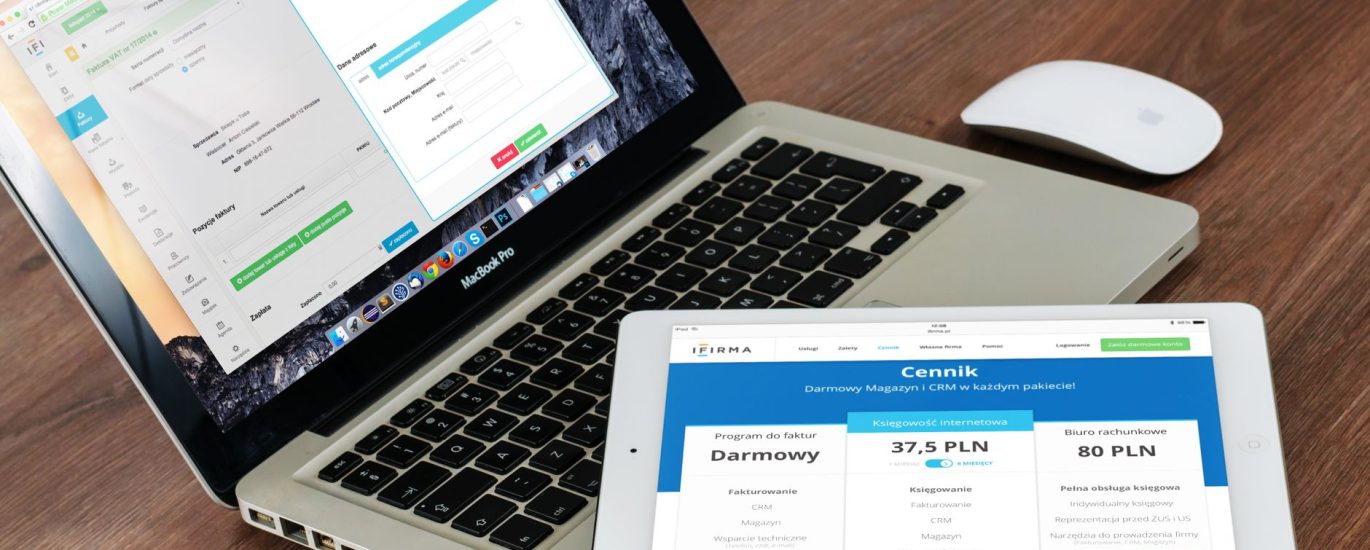
Automating your e-commerce customer follow-ups can significantly improve your engagement rates and drive more sales. With the right tools and strategies, you can ensure that no customer is left unattended after their purchase. This guide will walk you through the essential steps for implementing e-commerce customer follow-up automation.
Example workflow
To set up an effective automated follow-up process, consider the following steps:
- Select an Email Marketing Tool: Choose a platform like Mailchimp or Klaviyo that integrates with your e-commerce store.
- Create a Follow-Up Sequence: Design a series of emails that will be sent after a purchase. For example, send a thank-you email immediately, followed by a review request after one week.
- Segment Your Customers: Use data from your CRM to segment customers based on their purchase history or behavior. This allows for personalized messaging.
- Set Triggers: Establish triggers within your email marketing tool that automatically send emails based on specific actions (like completing a purchase).
- Monitor Engagement: Track open rates, click-through rates, and conversions to assess the effectiveness of your automated emails.
Common mistakes to avoid
- Lack of Personalization: Sending generic emails can lead to disengagement. Always personalize messages based on customer data.
- Ineffective Timing: Sending too many emails in quick succession can overwhelm customers. Space out your communications appropriately.
- No Clear Call-to-Action: Ensure each email has a clear next step for the customer, whether it’s leaving a review or exploring related products.
Implementation checklist
- Select an appropriate email marketing platform.
- Create engaging content for each stage of the follow-up sequence.
- Segment your audience effectively using CRM data.
- Create triggers for automatic sending based on user actions.
- Anayze performance metrics regularly and adjust strategies accordingly.
Who should use this workflow?
This workflow is ideal for e-commerce businesses looking to enhance their post-purchase communication strategy. Whether you run an online retail store or offer digital products, automating customer follow-ups can save time while improving overall satisfaction and retention rates.
Key takeaways
- E-commerce customer follow-up automation improves engagement and retention.
- Selecting the right tools is crucial for successful implementation.
- Avoid common pitfalls like a lack of personalization and poor timing.
- A continuous analysis of performance helps refine strategies over time.
What tools are best for e-commerce automation?
Email marketing platforms like Mailchimp or Klaviyo are popular choices due to their robust integration capabilities with e-commerce systems.
How often should I send follow-up emails?
The frequency depends on your business model; however, spacing out communications over weeks rather than days is generally more effective in maintaining interest without overwhelming customers.
Can I automate responses based on customer behavior?
Yes, most email marketing platforms allow you to set triggers that send automated responses based on specific actions taken by customers in your store.
If you’re interested in learning more about how Northneural can assist with automating workflows tailored specifically for your business needs, check out About Northneural.
For the original report, see the source article.